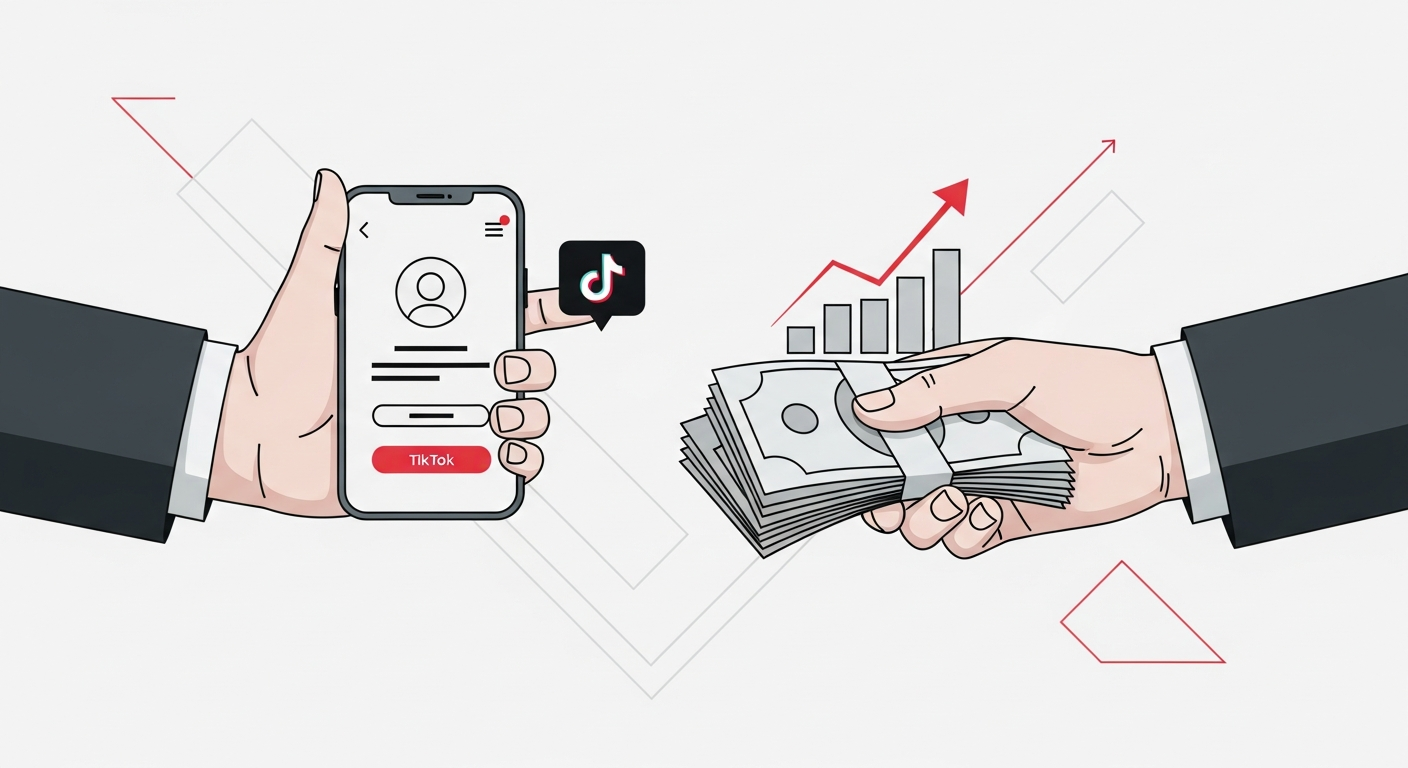
Think you need 100,000 followers to land a brand deal? Think again.
The creator economy has shifted. Brands are increasingly prioritizing engagement over follower count. A creator with 5,000 highly engaged followers often delivers better ROI than one with 500,000 passive ones.
According to Influencer Marketing Hub’s 2026 report, micro-influencers (10K-50K followers) have an average engagement rate of 3.86%, while mega-influencers (1M+) average just 1.21%. Brands have noticed.
In this guide, we’ll show you exactly how creators with under 10K followers are landing paid brand partnerships—and how you can do the same.
Why Brands Work With Small Creators
Before diving into tactics, let’s understand why brands increasingly prefer smaller creators:
1. Higher Engagement Rates
HypeAuditor’s research shows that TikTok nano-influencers (1K-10K followers) have an average engagement rate of 8.8%—nearly 4x higher than accounts with 1M+ followers.
2. More Authentic Relationships
Small creators know their audience personally. They respond to comments, have inside jokes with followers, and feel like friends rather than celebrities. This trust translates to higher conversion rates for brands.
3. Cost-Effective
A brand can work with 20 micro-influencers for the cost of one macro-influencer, diversifying their reach and reducing risk.
4. Niche Authority
A creator with 8,000 followers who only posts about sustainable fashion is more valuable to an eco-friendly clothing brand than a general lifestyle creator with 500,000 followers.
The Brand Deal Landscape: What’s Actually Available
Types of Brand Partnerships
| Partnership Type | Typical Compensation | Follower Requirement |
|---|---|---|
| Gifted Product | Free products only | 1,000+ |
| Affiliate | Commission per sale | 1,000+ |
| Flat Fee Sponsored Post | $50-500 per video | 5,000+ |
| Brand Ambassador | Monthly retainer | 10,000+ |
| Content Licensing | One-time fee | Any size |
| UGC (User Generated Content) | $100-500 per video | Any size |
The UGC Opportunity
Here’s a secret: You don’t even need followers to make money from brand content.
UGC (User Generated Content) creators make videos that brands use in their own ads—not on the creator’s profile. Brands pay for the content itself, not the creator’s audience.
According to Later, UGC creators charge $100-300 per video on average, with experienced creators earning $500+.
Step 1: Build Your Brand Deal Foundation
Before reaching out to brands, you need to have your house in order.
Optimize Your Profile
Your TikTok profile is your resume. Make it brand-friendly:
Username:
- Easy to spell and remember
- Professional (avoid x_x_username_x_x vibes)
- Consistent with other platforms
Bio:
- Clear niche statement
- Contact info or “DM for collabs”
- Link to media kit or website
Example Bio:
🌱 Sustainable living made simple
📍 NYC | She/her
📧 Collabs: [email protected]
👇 Free eco-swap guide
Content That Attracts Brands
Brands look for creators who can showcase products naturally. Review your content:
Green Flags for Brands:
- Product integration in existing content
- Before/after transformations
- “Day in my life” format
- Reviews and recommendations
- Tutorial/how-to content
Red Flags for Brands:
- Controversial political content
- Excessive profanity
- Negative/complaint-focused content
- Inconsistent posting
- Poor audio/video quality
Engagement Quality Matters
It’s not just about having high engagement—it’s about having the right engagement.
Good Engagement Signals:
- Comments with questions about products you mention
- “Where did you get that?” comments
- Saves and shares
- Comments from real profiles (not bots)
Concerning Signals:
- Engagement only from other creators (engagement pods)
- Comments unrelated to content
- Spike-and-crash engagement patterns
Use Noodle’s analytics to audit your engagement quality and identify what content generates the most purchase-intent comments.
Step 2: Create Your Media Kit
A media kit is a one-page document that tells brands why they should work with you. It’s non-negotiable for landing paid deals.
What to Include
Page 1: The Essentials
- Profile photo
- Name and niche
- Platform handles and follower counts
- Engagement rate
- Audience demographics (age, location, interests)
- Brief bio (2-3 sentences)
- Contact info
Key Metrics to Highlight:
- Average views per video
- Engagement rate (calculate: (likes + comments) / followers × 100)
- Content categories/themes
- Best-performing content examples
How to Calculate Your Engagement Rate
Engagement Rate = (Average Likes + Average Comments) / Followers × 100For TikTok, a “good” engagement rate is:
- 3-6%: Average
- 6-10%: Good
- 10%+: Excellent
Tools for Creating Media Kits
- Canva (free templates)
- Adobe Express (free tier available)
- Noodle (auto-generates media kit from your analytics)
Step 3: Find Brands to Work With
Now for the active work: finding and connecting with brands.
Where Brands Find Creators
- TikTok Creator Marketplace - Apply at TikTok.com/creators
- Influencer Platforms - AspireIQ, Grin, Upfluence, #paid
- Brand hashtags - Search brands you love to see who they’re working with
- Direct outreach - Email marketing departments directly
- Twitter/X - Many brands post partnership opportunities
How to Find Brand Contacts
Method 1: LinkedIn Search “[Brand Name] influencer marketing” or “partnership manager” Connect with a personalized note
Method 2: Website Contact Look for “Press,” “Partnerships,” or “Collaborations” pages Many brands have dedicated influencer inquiry forms
Method 3: Email Pattern Finding Use tools like Hunter.io to find email formats Typical patterns: firstname@company.com or marketing@company.com
Method 4: Instagram Bio Many brands list partnership emails in their IG bio
Platforms That Connect Creators and Brands
| Platform | Best For | Follower Minimum |
|---|---|---|
| Aspire | Lifestyle, beauty | None |
| Grin | DTC brands | 1,000+ |
| Upfluence | E-commerce | 1,000+ |
| Insense | UGC content | None |
| Trend | UGC content | None |
| Collabstr | All niches | 1,000+ |
Step 4: Craft the Perfect Pitch
Your pitch email is your first impression. Make it count.
The Pitch Framework
Subject Line Options:
- “Partnership Idea for [Brand Name] 📱”
- “[Your Niche] Creator x [Brand Name] Collab”
- “Quick Question About [Brand Name] Partnerships”
Email Structure:
Hi [Name],

[1 sentence: Genuine compliment about the brand]

[1-2 sentences: Who you are and your niche]

[2-3 sentences: Why you'd be a great fit + specific content idea]

[1 sentence: Call to action]

[Signature with links]
Example Pitch
Subject: Sustainable Living Creator x EcoBottle Collab 🌱

Hi Sarah,

I've been using EcoBottle products for 6 months and genuinely love how they've helped me reduce single-use plastic.

I'm [Name], a sustainable living creator on TikTok with 8,500 followers who are passionate about making eco-friendly choices accessible. My audience is 78% women aged 24-34—your core demographic.

I'd love to create a "week without plastic" challenge video featuring your Water Bottle Pro, showing my followers how one simple swap can make a real difference. My sustainability content averages 45K views and 12% engagement.

Would you be open to a quick chat about a potential partnership?

Best,
[Name]

TikTok: @username (8.5K followers)
Instagram: @username
Media Kit: [link]
Pitch Mistakes to Avoid
❌ Generic templates - “Dear Brand, I love your products…” ❌ All about you - Focus on what you can do for THEM ❌ No specific idea - Always pitch a concrete content concept ❌ Desperate vibes - “I’ll do anything!” undermines your value ❌ Asking about budget first - Build the relationship before money talk
Step 5: Negotiate Like a Pro
You got a response! Now let’s make sure you’re compensated fairly.
How to Price Yourself
The industry standard formula:
Base Rate = (Followers / 1000) × $10-25So a 5,000 follower account might charge $50-125 per video.
Adjust upward for:
- High engagement rate (add 20-50%)
- Niche expertise (add 25-50%)
- Usage rights requested (add 50-100%)
- Exclusivity (add 50-100%)
- Quick turnaround (add 25%)
Adjust downward for:
- First-time brand partner (to build portfolio)
- Long-term partnership (volume discount)
- Brands you genuinely love
Understanding Usage Rights
This is where small creators often leave money on the table.
Organic posting - You post on your own profile Standard rate, brand can repost/share
Whitelisting/Paid promotion - Brand runs ads through your account Add 50-100% to your rate
Full content licensing - Brand uses your video in their ads Add 100-200% to your rate, specify time limits
In perpetuity - Brand owns the content forever Add 200-300% or more
According to the FTC, you must also disclose sponsored content with #ad or #sponsored—brands should know this but it’s worth confirming.
Sample Negotiation Response
Hi Sarah,

Thanks so much for your interest in working together!

For the campaign you described (1 TikTok video, organic posting, 30-day brand usage), my rate is $200.

If you'd like to run the video as a paid ad (whitelisting), that would be an additional $150.

I'm flexible on deliverables if budget is a constraint—happy to discuss options that work for both of us.

Best,
[Name]
Step 6: Deliver and Overdeliver
You closed the deal. Now make them want to work with you again.
Content Creation Best Practices
- Follow the brief - Meet all requirements exactly
- Submit early - Give time for revision requests
- Provide options - Send 2-3 versions when possible
- Include raw footage - Many brands appreciate having the files
- Share analytics after - Send performance data proactively
Building Long-Term Relationships
One-off deals are fine. Retainers are better.
After the post goes live:
- Share performance metrics within 48 hours
- Thank them genuinely
- Ask about future opportunities
- Connect on LinkedIn
- Keep using/mentioning the product organically
Forbes’ creator economy research shows that brands spend 3x more on repeat creator partnerships than new relationships.
FAQ: TikTok Brand Deals
How many followers do I really need for brand deals?
There’s no hard minimum. We’ve seen creators with 500 followers land UGC deals and creators with 2,000 followers get paid partnerships. What matters more is engagement quality, niche relevance, and how you present yourself.
How much should I charge for my first brand deal?
For your first 2-3 deals, prioritize building relationships and getting testimonials over maximizing payment. Consider accepting product-only or lower rates. Once you have portfolio pieces and proven results, raise your rates.
Should I reach out to brands or wait for them to find me?
Both. Join creator marketplaces so brands can find you, but also proactively pitch. The most successful small creators we see do 70% outbound (pitching) and 30% inbound (being found).
What if a brand offers only free products?
It depends. If it’s a brand you love and would post about anyway, a gifted product can be a great way to start the relationship. But never feel obligated to create content for free products if it doesn’t serve your goals.
How do I know if a “brand” is a scam?
Red flags:
- They found you on TikTok but have no visible marketing budget
- They want personal information upfront
- The product/company doesn’t exist online
- They ask you to buy the product first
- Payment via unusual methods (crypto, gift cards)
Your Brand Deal Action Plan
This week:
- Audit your profile and content for brand-friendliness
- Calculate your engagement rate
- Create your media kit
This month:
- Join 2-3 creator platforms
- Make a list of 20 dream brand partners
- Send 5 personalized pitches
- Follow up on any responses
Ongoing:
- Track brand deals in a spreadsheet
- Request testimonials from brand partners
- Raise rates every 3-6 months as your audience grows
Ready to understand what content drives the most brand interest? Try Noodle free and see which of your videos generate purchase-intent engagement.
Related Reading:
